
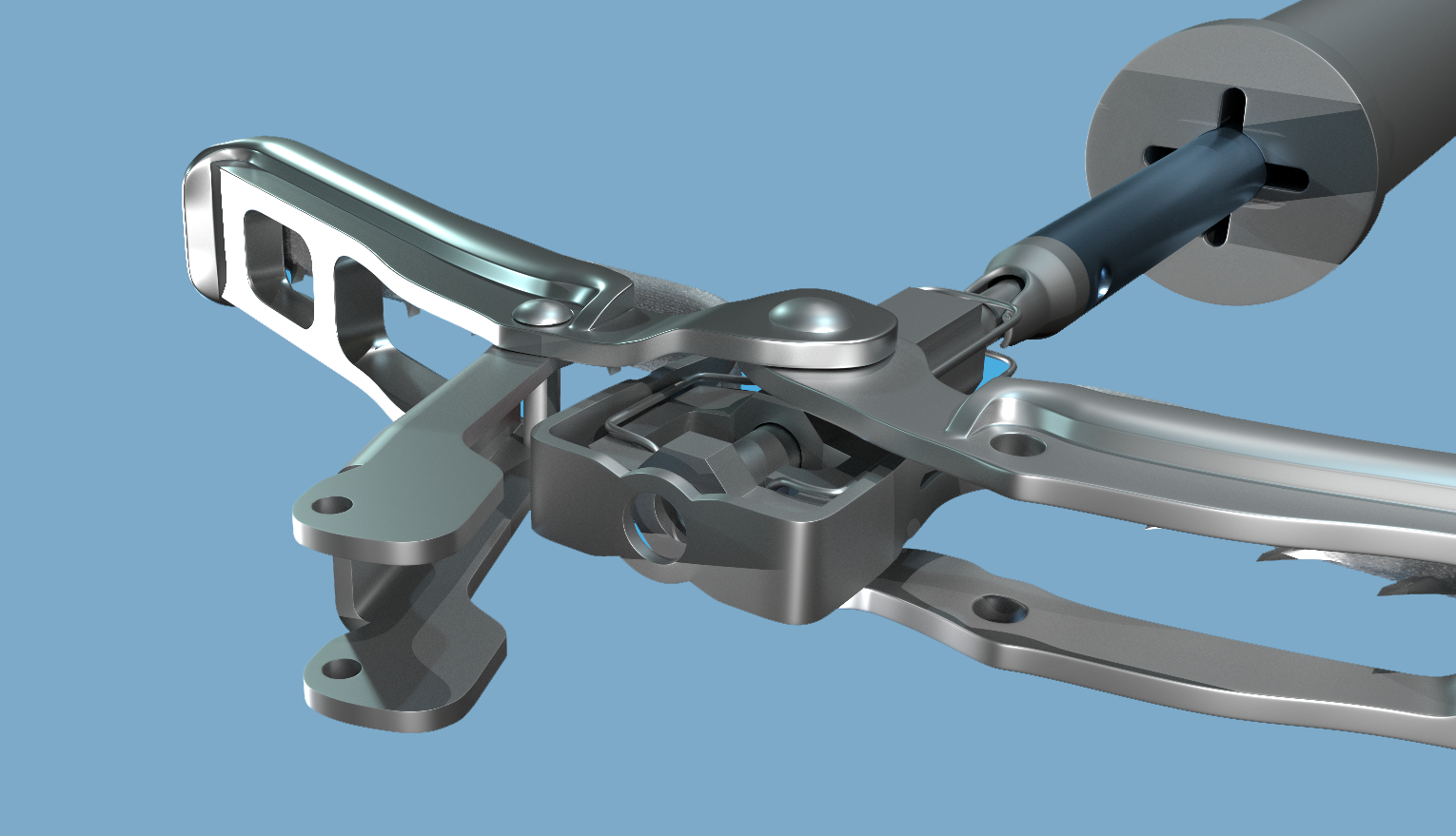
The High-Stakes World of Medical Device Manufacturing
Manufacturing medical devices is not like producing consumer electronics or automotive parts. Every component — a delivery system, an implantable heart valve, a diagnostic catheter — must meet exacting specifications where a fraction of a millimeter or a single procedural misstep can determine whether a product saves a life or causes harm to the patient.
Training workers in this environment has always been a formidable challenge. Traditional methods — printed SOPs, classroom lectures, and floor-supervisor shadowing — carry inherent limitations:
- They are static,
- Difficult to standardize across facilities,
- And slow to update when regulations or procedures change.
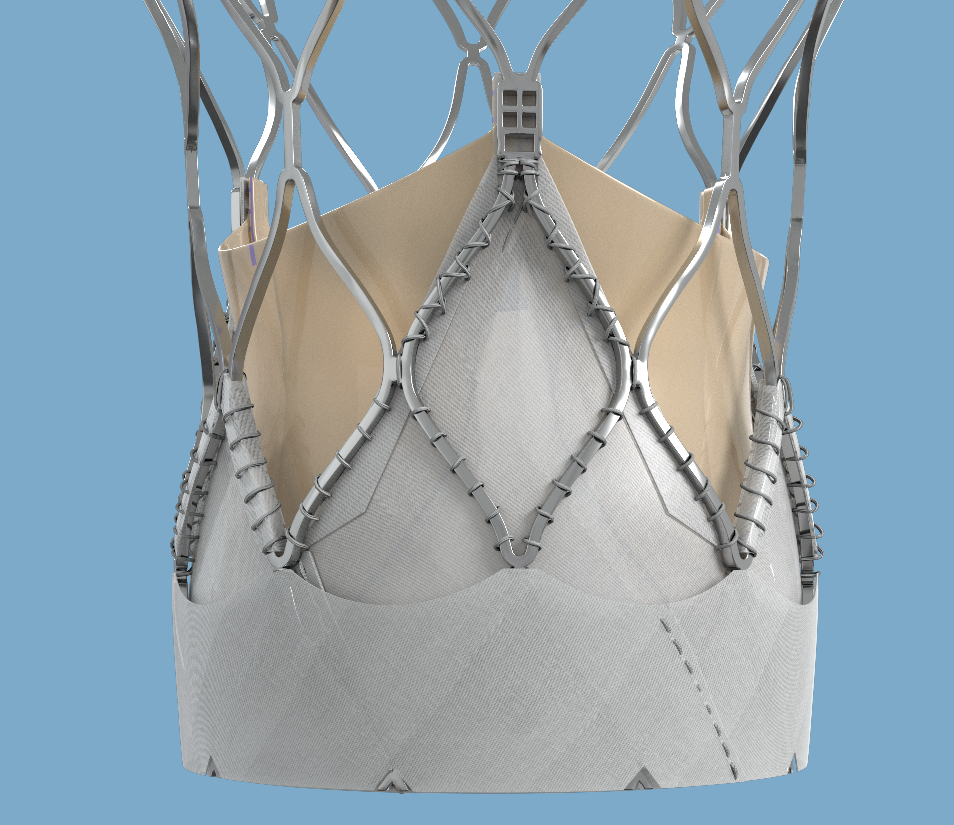
3D animation is a technology that is rapidly reshaping how medical device manufacturers build competence, ensure compliance, and reduce errors across their workforce.
Why Traditional Training Falls Short
The gap between understanding a concept and executing it with precision is never wider than on a medical device production floor. A printed work instruction can describe a catheter assembly process in careful detail, but it cannot show a technician exactly how much torque to apply, which direction a micro-component should be oriented, or how an internal mechanism behaves when a step is skipped.
Shadowing an experienced operator helps, but it introduces variability — each trainer emphasizes different elements, demonstrates techniques slightly differently, and may inadvertently pass on workarounds that bypass quality controls.
In a regulated environment, that inconsistency is not just operationally inconvenient — it is a compliance liability. The result is a training ecosystem that is costly, slow, and structurally prone to the very errors it is designed to prevent.
How 3D Animation Changes the Equation
Three-dimensional animation addresses the core weaknesses of traditional training by converting complex processes into precise, repeatable, and visually compelling learning experiences.
Standardizing Training Across Sites and Shifts
A 3D animated module delivers the same instruction — the same emphasis, the same sequence, the same critical warnings — whether it is viewed in a facility in Minnesota, Malaysia, or Costa Rica. For global medical device manufacturers, this standardization is transformative. Regulatory bodies expect consistent manufacturing practices regardless of geography; animation makes that consistency achievable at scale.
Visualizing What the Eye Cannot See
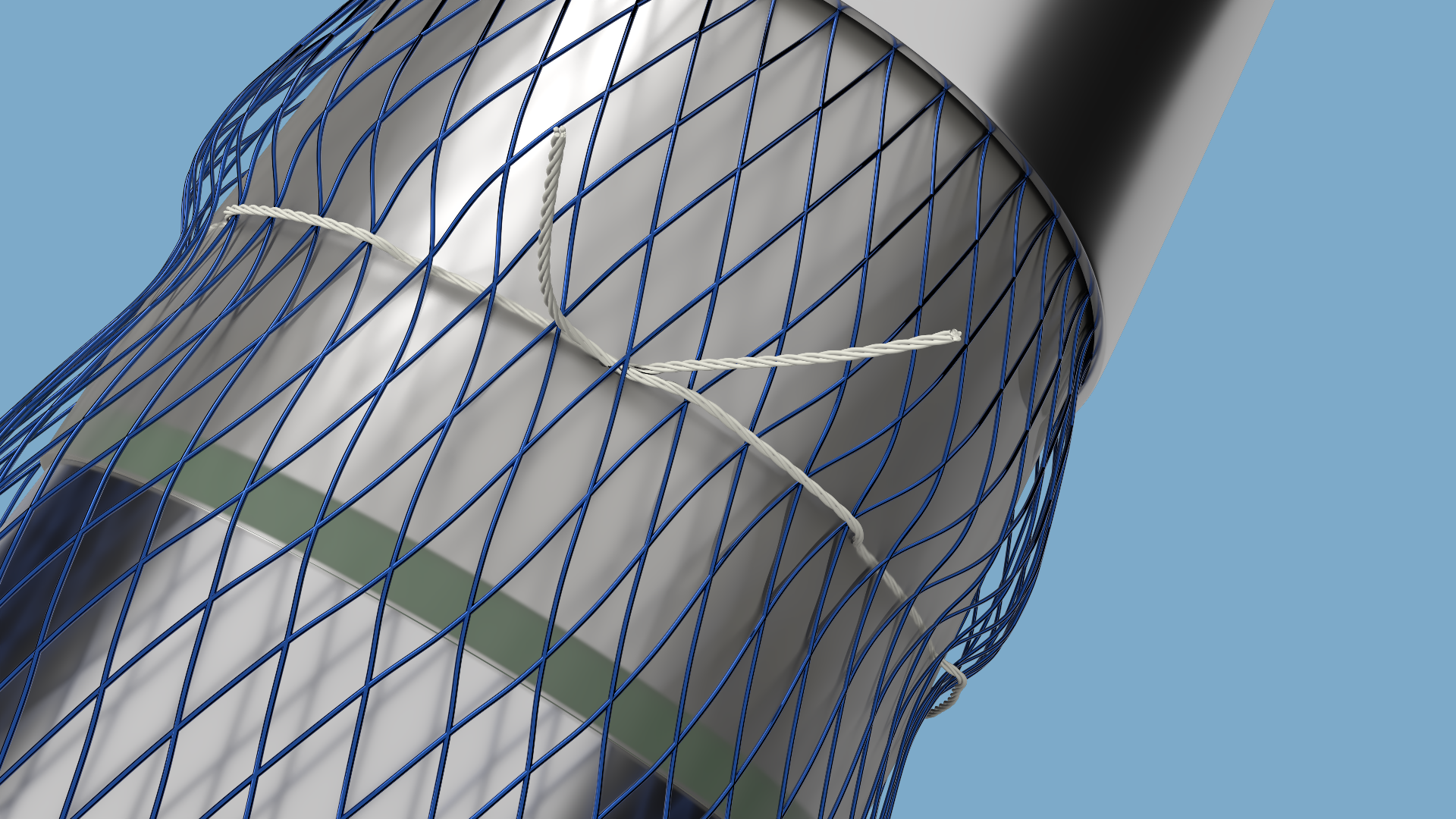
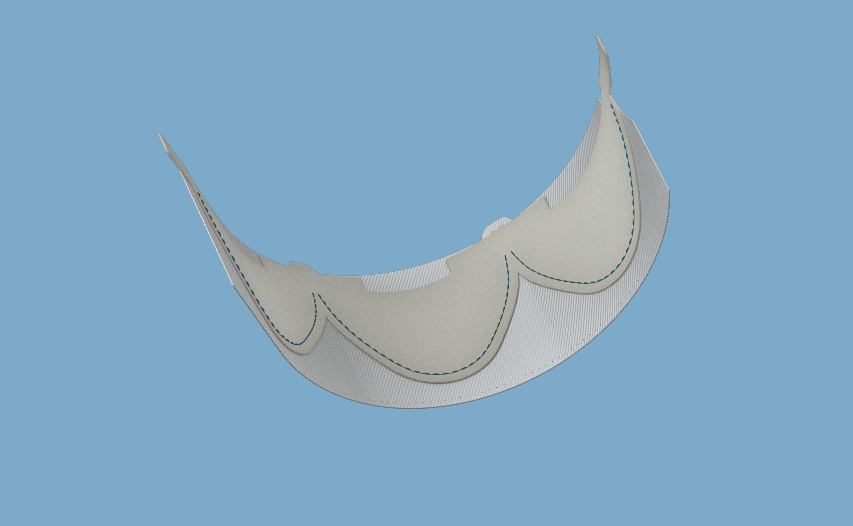
Medical device assembly often involves components and interactions that are simply invisible during actual production. Internal mechanisms, fluid pathways inside catheters, the engagement of locking features within an implant housing — none of these can be observed by a technician working at a station.
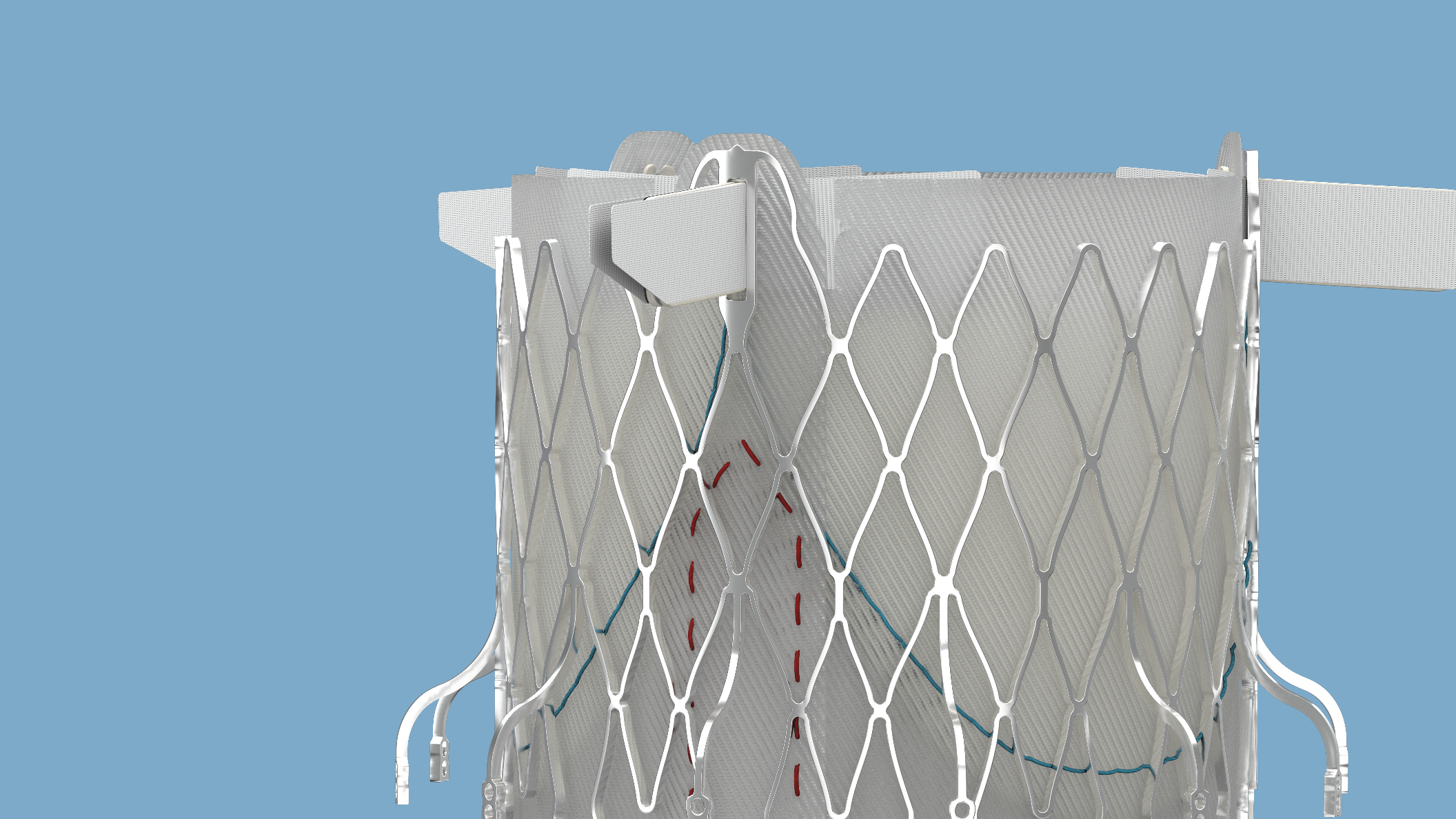
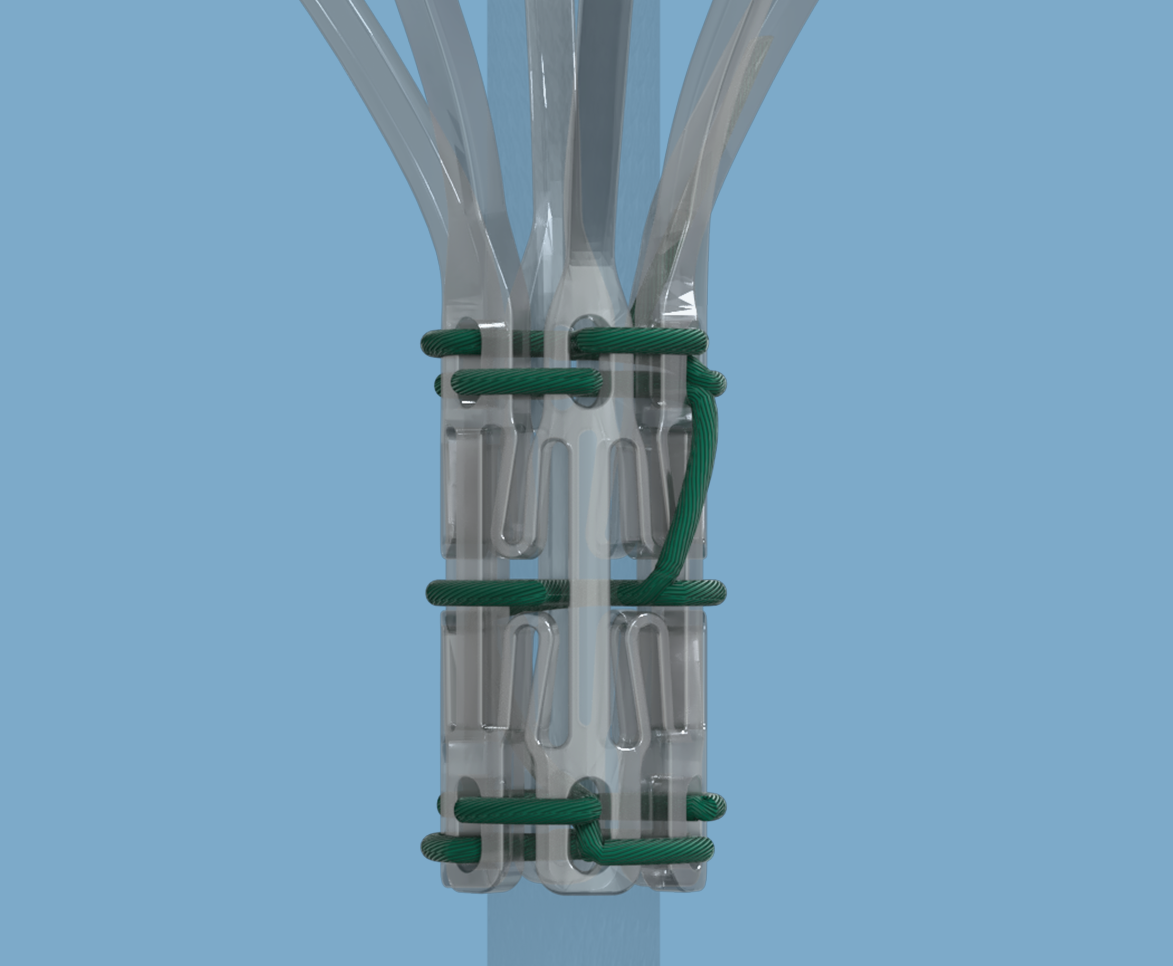
3D animation allows manufacturers to create transparent, exploded, or cross-sectional views that reveal exactly what is happening inside a device during each assembly step. Trainees gain spatial understanding that no photograph or written description could convey.
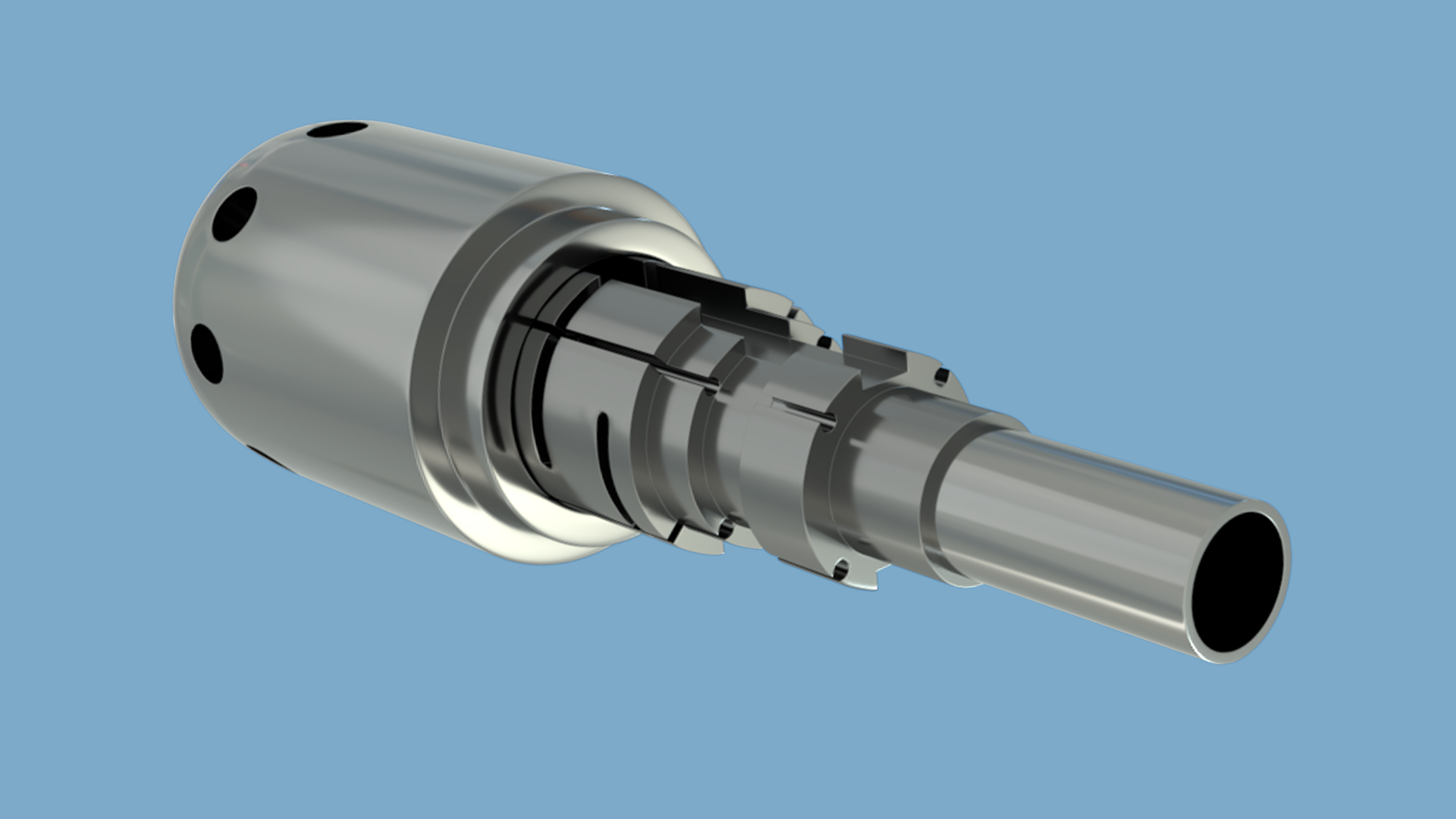
Compressing the Learning Curve
New hires in medical device manufacturing typically require weeks or months of supervised training before they can work independently. Animated training modules allow employees to engage with complex procedures before they ever touch a product, building mental models and procedural memory in a low-risk environment.
Studies in manufacturing training consistently show that visual, animated instruction reduces time-to-competency compared to text-based methods — a critical advantage when production demand is high and skilled labor is scarce.
Supporting Regulatory Compliance and Audit Readiness
FDA inspections and ISO audits require manufacturers to demonstrate not only that processes are compliant but that employees have been trained to those processes. Digital animated training systems create automatic, timestamped completion records for every employee who views a module and passes an associated assessment. This audit trail is far more defensible than a paper sign-off sheet and far easier to retrieve under inspection pressure.
Practical Applications Across the Manufacturing Lifecycle
The value of 3D animation is not confined to initial onboarding. Leading medical device manufacturers are deploying animated content across the entire employee lifecycle.
Process Change Communication
When an engineering change order (ECO) modifies an assembly step, an updated animated module can be pushed instantly to every relevant employee — ensuring the change is understood consistently and documented as trained before a single device is built to the new specification.
Cleanroom and GMP Protocol Training
Gowning procedures, material handling, and contamination prevention are notoriously difficult to teach from text. Animation can walk employees through precise gowning sequences, visualize airflow dynamics in a cleanroom environment, and simulate the invisible consequences of protocol lapses.
Equipment Operation and Maintenance
Automated assembly equipment, testing stations, and inspection systems require detailed knowledge to operate and maintain. 3D animation can simulate machine startup sequences, calibration steps, and fault-clearing procedures — reducing reliance on in-person technical training that may not always be available.
Quality Inspection Techniques
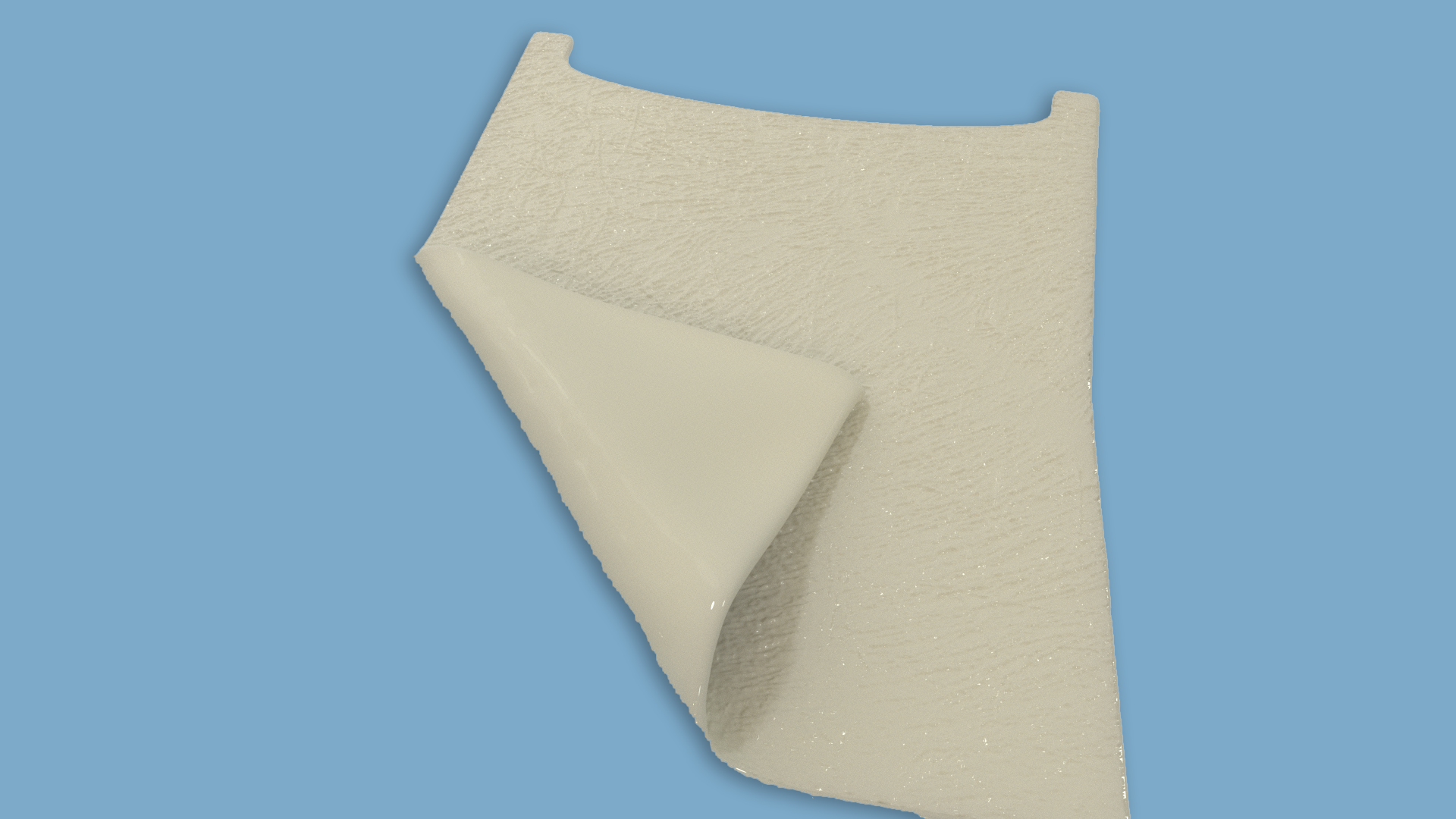
Teaching employees to identify defects — micro-cracks, adhesive voids, dimensional nonconformances — requires reference to precise visual standards. Animated and 3D-rendered examples can depict both acceptable and non-conforming conditions in exact, reproducible detail.
Implementation Considerations
Integrating 3D animation into a medical device training program requires thoughtful planning. The development of high-quality medical animation demands close collaboration between instructional designers, subject matter experts, and an animation studio experienced in regulated industries. Device geometry, tolerances, and process parameters must be rendered accurately — an entertaining animation that depicts a procedure incorrectly is worse than no animation at all.
Manufacturers should also consider their Learning Management System (LMS) infrastructure. Animated modules are most powerful when embedded in an LMS that tracks completion, enforces retraining intervals, and integrates with HR and quality management systems to maintain a complete training record per employee per procedure.
Finally, animation is not a replacement for hands-on practice — it is a complement. The most effective training programs use animated modules to build foundational understanding and then reinforce it with supervised practical exercises, creating a blended approach that is both efficient and robust.
The Competitive and Compliance Imperative
Medical device manufacturers face simultaneous pressure to accelerate production, reduce defects, retain skilled workers, and satisfy increasingly demanding regulators. A workforce that is well-trained, consistently educated, and rapidly adaptable to process changes is a competitive asset — and 3D animation is one of the most effective tools available to build it.
As animation technology becomes more accessible and development costs continue to decline, the question for medical device manufacturers is no longer whether to integrate 3D animation into training — it is how quickly they can do so before their competitors do.
Conclusion
Integrating 3D animation into medical device manufacturing training represents a powerful shift toward more effective, efficient, and engaging learning experiences. By leveraging advanced visualizations, organizations can improve comprehension, reduce training costs, enhance safety, and ensure consistent adherence to high standards.
As manufacturing processes continue to grow in complexity, the need for clear, accurate, and scalable training solutions will only increase. 3D animation is not just a technological upgrade—it is a strategic investment in workforce capability, product quality, and ultimately, patient safety.
Organizations that embrace this approach position themselves at the forefront of innovation, equipped to meet the demands of a rapidly evolving industry with confidence and precision.